Baby Sleep After 3 Months: Wake Windows, Naps, Bedtime, and How to Help Your Baby Sleep Better
If your baby is over 3 months old and sleep suddenly feels harder, you are not alone. This is one of the most common stages when parents begin searching for answers about baby sleep, wake windows, short naps, bedtime struggles, and frequent night wakings.
Around 3 months and beyond, babies become more alert, more aware of their environment, and much more sensitive to being overtired. This means that what worked during the newborn stage may no longer work as well. If your baby is fighting naps, taking short naps, resisting bedtime, or waking more often overnight, one of the first things to look at is awake time between sleep periods.
In many cases, the biggest issue is not that your baby forgot how to sleep. It is that your baby may be staying awake too long.
Why Baby Sleep Changes After 3 Months
After 3 months, babies begin to change quickly. The “fourth trimester” is officially over. They are more curious, more stimulated by the world around them, and less likely to simply fall asleep anywhere as they may have in the newborn stage.
Because of this, infant sleep after 3 months often needs more intentional work and timing. Many parents naturally assume that if their baby stays awake longer, he/she will sleep longer. But for most infants, being awake too long can actually make sleep much harder.
When babies become overtired, they often have a harder time settling and staying asleep. Overtiredness can show up as:
Fighting naps
Short naps
Increased fussiness
Bedtime battles
False starts after bedtime
Frequent night waking
If this sounds familiar, the good news is that small schedule adjustments can often make a big difference.

What Are Wake Windows?
Wake windows are the amount of time your baby can comfortably stay awake between sleep periods. Wake windows are important because they help prevent overtiredness and support better naps, a smoother bedtime, and more restful nighttime sleep.
While every baby is different, these general wake windows can be a helpful starting point:
Approximate Wake Windows by Age
3–4 months: 1.25 to 2 hours
5–6 months: 2 to 3 hours
7–8 months: 2 to 3.5 hours
9–12 months: 2.5 to 4 hours
These ranges are not rigid rules, but they are a great guide. Some babies need sleep on the earlier end of the range, especially if they have had short naps or a stimulating day.
Signs Your Baby May Be Overtired
One tricky part of baby sleep after 3 months is that sleepy cues can become less obvious. Instead of quietly yawning and drifting off, older babies may seem fussy, clingy, distracted, or even wound up when they are actually very tired.
Common signs of an overtired baby include:
Crying when it is time for a nap
Resisting bedtime
Waking 30 to 45 minutes into a nap
Seeming extra fussy in the late afternoon or evening
Waking shortly after bedtime
Taking a long time to fall asleep
Waking often overnight
If your baby is showing these signs consistently, the issue may be less about sleep ability and more about sleep timing.
How to Help Your Baby Sleep Better After 3 Months
If you want to improve baby sleep after 3 months, here are some of the most helpful places to begin.
Follow Age-Appropriate Wake Windows
Once your baby reaches 3 months, it helps to watch the clock in addition to watching sleepy cues. Many babies do best when their nap routine starts before they become overtired.
For example, if your baby tends to do well with about 90 minutes of awake time, try beginning the wind-down routine 15-20 minutes before that point instead of waiting until your baby is upset.

Protect the First Nap of the Day
The first nap is often the easiest nap to improve because your baby is usually the most rested in the morning. When the first nap goes well, the rest of the day often feels easier too.
Use an Earlier Bedtime When Needed
If naps were short or the day felt off, an earlier bedtime can be one of the most powerful tools for preventing overtiredness. Many parents worry that an earlier bedtime will cause earlier morning waking, but often it helps babies catch up on needed rest.
Create a Simple, Predictable Sleep Routine
A short pre-sleep routine helps signal that sleep is coming. It does not need to be complicated. A simple routine may include:
Bath
Diaper change & Sleep sack
Feeding
White noise
Dark room
Cuddles and a short calming phrase
Consistency can help your baby feel secure and ready for sleep.
Optimize the Sleep Environment
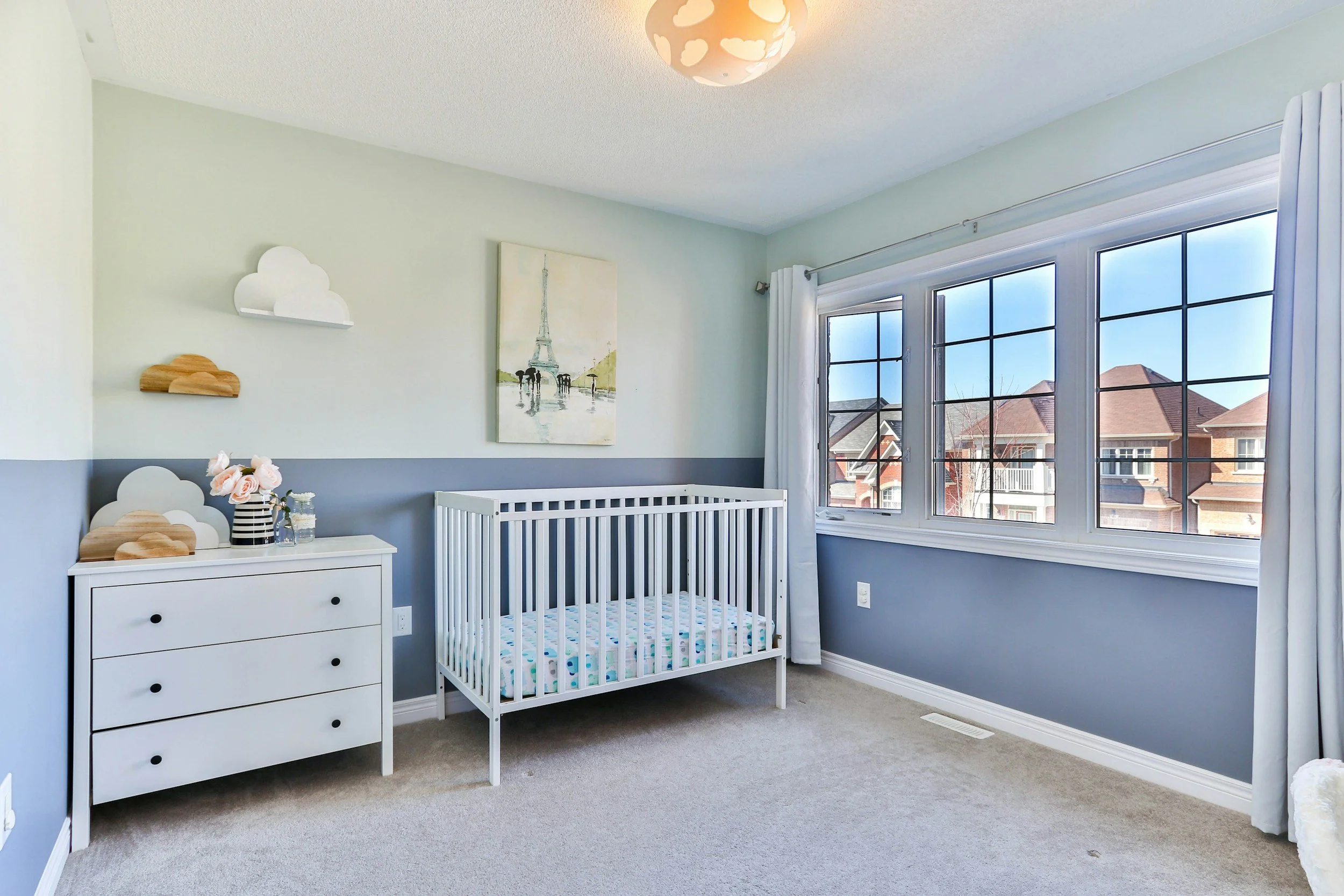
After 3 months, babies become much more aware of light, sound, and movement. A supportive sleep environment can make a big difference in helping naps and bedtime go more smoothly.
Helpful sleep environment tips include:
Black out your baby’s sleep space
Use steady white noise
Keep the room calm and quiet
Reduce stimulation before sleep
Aim for a consistent sleep space when possible
Stay Consistent for a Few Days
Most sleep changes do not click after just one nap or one bedtime. The common quote “it’s a marathon, not a sprint” is quite relevant in the baby sleep world. If you adjust wake windows or bedtime, try to stay consistent for at least a few days before deciding whether it is helping.
Final Thoughts on Baby Sleep After 3 Months
If sleep feels more difficult after 3 months, you are not doing anything wrong. This is a common stage when a baby's sleep becomes more challenging. The good news is that when you begin focusing on wake windows, overtiredness, nap timing, and bedtime routines, things often begin to improve. Sometimes the biggest breakthrough comes from one simple shift: putting your baby down a little earlier. If your baby is fighting naps, waking frequently, or struggling with bedtime, you do not have to figure it out alone.
Need Help With Your Baby’s Sleep?
If you are looking for personalized support with baby sleep, infant naps, bedtime struggles, night wakings, or a realistic sleep schedule, I would love to help. My sleep consulting services are designed to provide practical, compassionate support so your whole family can feel more rested.
Ready to take the next step toward better sleep?